
- May 10, 2026
- By
- In Brakes
- 11
- 0
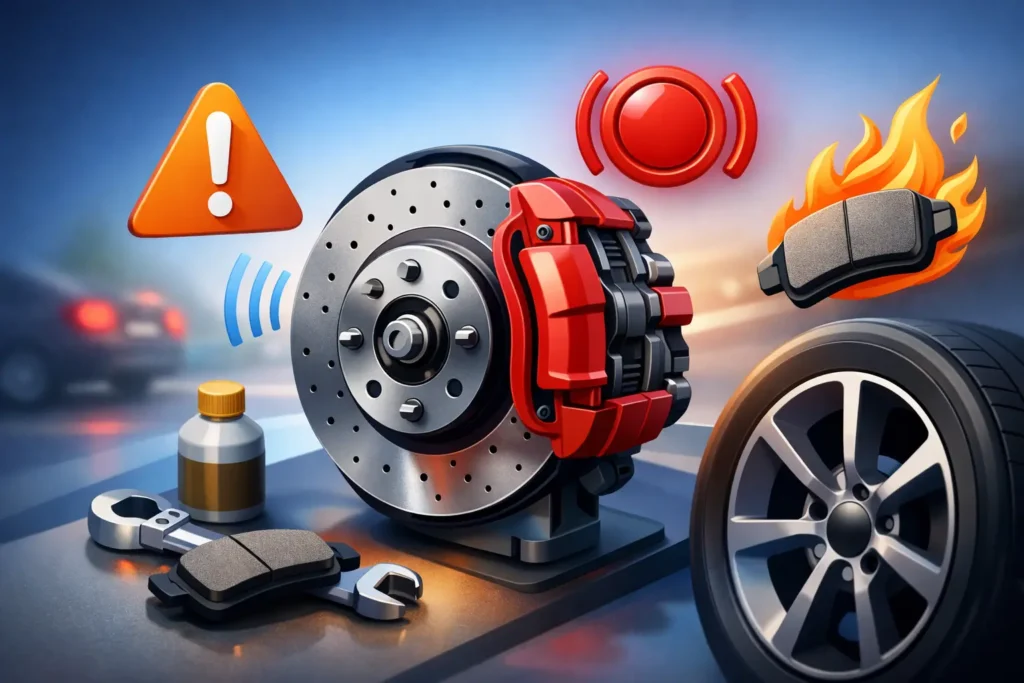
That quick squeal when you back out of the driveway might seem minor – until your stopping distance gets longer on a busy Spring, Texas road. Brake repair is one of those services drivers often put off for a week or two, but your brakes do not give much room for delay. When something feels off, the safest move is to get it checked before a small wear issue turns into a bigger and more expensive problem.
Your brake system works hard every time you drive. School drop-offs, stop-and-go traffic, highway exits, and sudden stops all wear down parts over time. The good news is that many brake problems start with clear warning signs. Catching them early can protect your vehicle, your budget, and most importantly, everyone inside the car.
A lot of vehicle problems can wait a little while. Brakes are different. They are directly tied to your ability to react in traffic, handle wet roads, and stop safely when conditions change fast.
Brake wear is also progressive. Pads wear down, rotors can develop grooves or heat spots, and brake fluid can lose effectiveness as it ages or becomes contaminated. What begins as noise may turn into vibration. Vibration can turn into poor stopping performance. If the issue keeps going, you may end up replacing more parts than you would have with earlier service.
That is why professional inspection matters. A trained technician is not just listening for noise. They are checking the full system, including pad thickness, rotor condition, calipers, hoses, hardware, and fluid. Proper brake repair is about restoring safe, consistent stopping power, not just making the sound go away.
Some warning signs are obvious. Others are easy to dismiss if your schedule is full and the car still seems to drive normally. Here are the most common brake issues drivers notice first.
This is often the earliest sign. In many cases, worn brake pads are the cause. Most pads are designed with wear indicators that make noise when the friction material gets low. That sound is meant to get your attention.
Not every squeak means immediate failure. Moisture, dust, or overnight rust can sometimes create temporary noise. But if the sound happens regularly, especially when slowing down, it is time for a brake inspection.
Grinding is more serious. It can mean the brake pad material is worn out and metal is contacting the rotor. At that point, stopping performance may drop, and the damage to other components can add up quickly.
If you hear grinding, do not wait. The longer it continues, the more likely you are looking at rotor damage and a more involved repair.
If the brake pedal pulses or the steering wheel shakes while braking, your rotors may be uneven or warped from heat. This can happen gradually, especially with heavy braking or long-term wear.
Sometimes the fix is straightforward. Sometimes the rotors are too worn to be resurfaced and need replacement. It depends on thickness, condition, and manufacturer specifications.
A brake pedal that feels soft, low, or spongy can point to air in the brake lines, old brake fluid, or a hydraulic issue. This is not something to brush off.
Your vehicle should respond with a firm, predictable pedal. If it does not, your braking system may not be building pressure the way it should.
If your car pulls left or right when braking, there may be uneven brake wear, a sticking caliper, or a problem with brake fluid pressure. Tire issues can sometimes create a similar feeling, which is one reason a full inspection helps.
This is a good example of why guessing rarely saves money. The symptom may seem simple, but the cause can vary.
Modern vehicles do a good job of alerting drivers when something needs attention. If your brake warning light or ABS light comes on, do not ignore it.
In some cases, the issue is low brake fluid. In others, it may involve sensors, the anti-lock braking system, or a deeper hydraulic problem. Either way, a warning light means your vehicle needs professional diagnosis.
Many drivers hear the words brake repair and picture a one-size-fits-all job. In reality, the work depends on what your vehicle needs right now.
A proper brake service usually starts with an inspection. The technician checks pad life, rotors, calipers, brake fluid, lines, and related hardware. From there, the repair may involve replacing brake pads, resurfacing or replacing rotors, servicing calipers, flushing brake fluid, or addressing worn components that affect braking performance.
This is also where transparency matters. Not every brake visit requires a full replacement of everything. Sometimes only the pads are due. Sometimes the rotors are still in usable condition. Other times, replacing only one worn part would be shortsighted because another part is already near the end of its service life. Honest recommendations should match the actual condition of the system.
Most drivers are not looking for extra car expenses. That is exactly why delaying brake service can be frustrating. What might have started as a basic pad replacement can turn into rotor damage, caliper issues, or uneven wear that affects other parts.
There is also the cost you cannot easily measure – lost confidence behind the wheel. If you are already thinking about whether your brakes will respond the way they should in traffic, the problem is already affecting your daily drive.
Routine maintenance and timely brake repair help avoid both of those issues. They keep the repair manageable and give you peace of mind every time you stop.
Daily driving around Spring often means a mix of neighborhood streets, traffic lights, crowded parking lots, and faster roads where quick braking matters. That kind of driving pattern adds up.
A local full-service shop can look at your brake concerns in context. Maybe your pads are worn from commuting. Maybe your rotors are reacting to heat and stop-and-go traffic. Maybe a fluid issue is affecting pedal feel. The point is not just to replace parts. It is to identify what is happening and fix it correctly the first time.
That is where experience makes a difference. Skilled technicians know how to separate normal wear from signs of a larger problem, and they can explain the repair in plain language so you know what your vehicle needs and why.
If you notice noise, vibration, pulling, warning lights, or a change in pedal feel, schedule service as soon as possible. Even if the issue turns out to be minor, it is worth confirming that your braking system is safe.
If you have not noticed any symptoms, regular inspections still matter. Brake wear is not always obvious from the driver’s seat. During routine maintenance, a technician can often spot early wear before it becomes a safety concern.
For many drivers, that kind of preventive approach is the best balance of safety and cost. You are not waiting for a breakdown, but you are also not replacing parts early without a reason.
Brake work is not the place to gamble on unclear recommendations or rushed service. You want a shop that explains findings clearly, uses quality parts, and stands behind the work.
Look for a team that treats brake repair as a safety service first. That means checking the entire system, not just swapping pads and sending you out the door. It also means being honest about what needs immediate attention and what can be monitored.
At a neighborhood shop like 360 Auto, that approach matters because relationships matter. Drivers want confidence that their vehicle is being cared for by people who understand the value of trust, fair pricing, and dependable workmanship.
Brakes rarely fail without warning. More often, they ask for attention in small ways first – a sound, a shake, a light on the dash, a pedal that feels different than it did last month. Listening to those early signs is one of the smartest things you can do for your safety and your vehicle.


