
- April 25, 2026
- By
- In Brakes
- 14
- 0
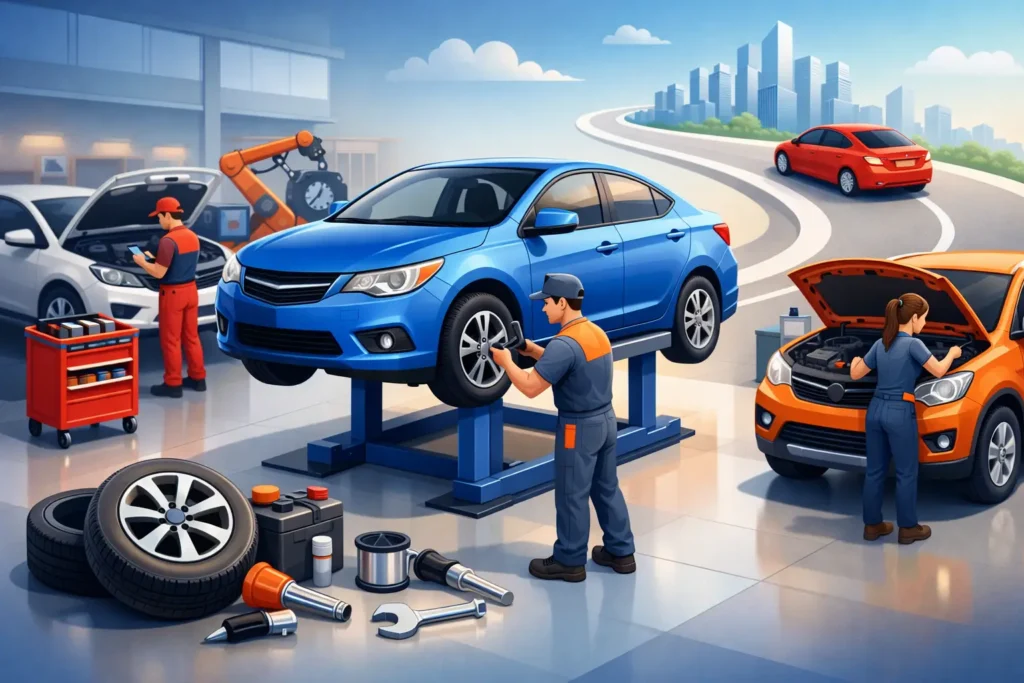
That dashboard light rarely comes on at a convenient time. It shows up before work, before school pickup, or right before a weekend trip. When it does, auto repair stops being an abstract task and becomes a question of time, safety, and trust. For most drivers in Spring, Texas, the real issue is not just fixing a car. It is finding a shop that explains the problem clearly, does the work right, and helps you get back on the road with confidence.
A lot of people think of repairs as a one-time event. Something breaks, you bring the vehicle in, and the job gets done. In practice, good auto repair is broader than that. It starts with accurate diagnosis, includes quality workmanship, and ends with clear communication about what was done, what can wait, and what should be watched next.
That matters because not every symptom points to the same problem. Squeaking brakes may mean worn pads, but they can also point to rotor wear or hardware issues. Poor air conditioning performance might be as simple as low refrigerant, or it could involve a leak, a compressor issue, or an electrical fault. A trustworthy shop does not guess. It tests, confirms, and explains.
For drivers, that approach saves money over time. Fixing the right issue the first time usually costs less than replacing parts based on assumption. It also reduces the frustration of repeat visits for the same unresolved problem.
Many major repairs begin as minor warning signs. A slight vibration in the steering wheel, a faint burning smell, slower starting in the morning, or a fluid spot in the driveway can all seem easy to put off. The trouble is that vehicles are systems. When one component starts failing, it often puts extra strain on the next one.
A worn belt can affect engine performance and leave you stranded if it snaps. A neglected coolant leak can lead to overheating and engine damage. Brake issues that start with noise can progress into longer stopping distances and more expensive repairs. Tire wear that goes unchecked can reduce traction and affect fuel efficiency, ride comfort, and safety.
That does not mean every sound or light is a crisis. Some issues are urgent, and others can be scheduled. The value of a reliable repair shop is that you get an honest answer about the difference.
If your brake warning light comes on, your engine is overheating, your car is shaking at speed, or you notice a sudden drop in steering response, it is smart to stop driving until the vehicle can be inspected. The same goes for smoke, strong fuel odors, or any warning light accompanied by clear performance changes.
If the issue is less severe, such as a maintenance reminder or mild noise with no immediate drivability problem, you may have time to plan service. Even then, waiting too long can raise the cost.
Modern vehicles are more advanced than many drivers realize. Even routine systems are tied into sensors, modules, and onboard computers. That is one reason diagnostics have become such an important part of auto repair.
A check engine light, for example, does not automatically mean engine failure. It can be triggered by emissions issues, sensor faults, ignition problems, fuel delivery concerns, or something as simple as a loose gas cap. Reading a code is only the starting point. Proper diagnosis means understanding why that code appeared and confirming the root cause before repairs begin.
This is where experience makes a difference. Skilled technicians know how to connect the symptom, the test results, and the condition of the vehicle as a whole. That helps prevent unnecessary work and gives drivers a clearer picture of what their car needs now versus later.
The best repair bill is often the one you never have to face. Regular maintenance will not prevent every breakdown, but it can reduce wear, catch developing issues early, and help major systems last longer.
Oil changes are a simple example. Fresh oil protects internal engine components, reduces friction, and helps manage heat. When oil service is delayed too long, that protection drops, and engine wear increases. The same logic applies to brake service, tire rotation, fluid checks, belt inspections, battery testing, and air conditioning performance checks.
Maintenance also gives technicians a chance to spot problems before they become urgent. A cracked hose discovered during a routine visit is usually easier and less expensive to handle than a roadside breakdown caused by complete failure.
For everyday vehicles, the most common service needs tend to center on oil and lube service, brakes, tires, engine diagnostics, belts and hoses, and climate control. None of these categories are glamorous, but they directly affect how safely and reliably your car performs.
Brakes protect your stopping power. Tires affect handling, traction, and ride quality. Belts and hoses keep critical systems operating. Air conditioning matters in Texas not just for comfort, but for making daily driving manageable in extreme heat. When these systems are maintained on time, drivers usually avoid bigger interruptions later.
Trust is built in the details. Drivers should feel comfortable asking what was found, what repair is recommended, and why it matters. A good shop welcomes those questions.
Clear estimates matter. So does a straightforward explanation of priorities. Sometimes a vehicle needs immediate repair. Other times there may be a list of items with different timelines. Honest shops do not blur that line. They help customers make informed decisions based on safety, budget, and vehicle condition.
There is also a practical side to trust. People need convenient scheduling, fair pricing, and confidence that their time is respected. For working adults and families, a repair experience should feel organized and dependable, not confusing or drawn out.
That neighborhood approach is what many local drivers are looking for. At 360 Auto, the goal is to combine expert service with the kind of communication people appreciate from a family-run business. Customers want to know their vehicle is in capable hands, but they also want to feel like more than a ticket number.
Driving conditions around Spring and the greater Houston area can be hard on vehicles in ways that are easy to overlook. Heat puts stress on batteries, cooling systems, hoses, and air conditioning components. Stop-and-go traffic can increase brake wear and strain engines and transmissions. Potholes, road debris, and long commutes can all affect tires, suspension, and alignment.
That local reality is another reason repair and maintenance schedules are not one-size-fits-all. A car used for short school runs has different wear patterns than a truck used for heavy work miles. A family SUV carrying kids, groceries, and gear every day may need more frequent attention than a lightly driven second vehicle.
Good service takes those habits into account. It is not just about the manufacturer schedule. It is about how the vehicle is actually being used.
This is one of the most common questions drivers ask, and the honest answer is that it depends. Some repairs affect safety or risk serious damage if delayed. Others are more about comfort, performance, or future planning.
If your brakes are worn down, your engine is overheating, or a tire is damaged, that is usually a now issue. If your air conditioning is weaker than normal or a belt is beginning to show wear, you may have a window to schedule the work before it becomes urgent. The key is getting an accurate assessment rather than relying on guesswork.
For budget-conscious households, that distinction matters. It allows you to handle essential repairs first while planning for upcoming needs in a way that is realistic.
Most people do not want to become experts in engines, electrical systems, or brake components. They just want their vehicle to start, drive safely, and stay dependable. That is why the right repair experience matters. It should replace uncertainty with a clear plan.
When a shop combines strong diagnostics, quality workmanship, honest recommendations, and a service-first attitude, auto repair becomes much less stressful. Your car gets the attention it needs, and you get the confidence to keep moving through your week without second-guessing every sound, smell, or warning light.
If your vehicle has been telling you something lately, it is worth listening now instead of later. A timely inspection today can protect your schedule, your budget, and your peace of mind tomorrow.


