
- May 14, 2026
- By
- In Brakes
- 9
- 0
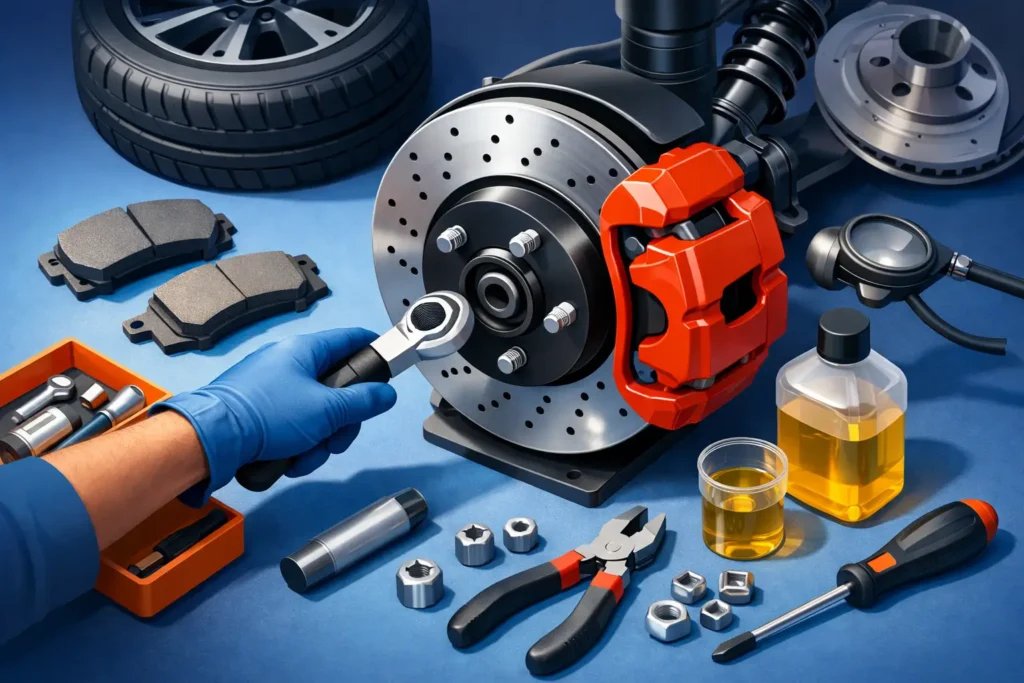
That first high-pitched squeal at a stop sign is easy to ignore – until it turns into grinding, shaking, or a brake pedal that does not feel right. If you are wondering how to maintain car brakes, the good news is that good brake care is not complicated. It comes down to paying attention early, driving with less stress on the system, and having brake concerns checked before a small issue turns into a bigger repair.
Your brakes are one of the hardest-working systems on your vehicle. In Spring traffic, school pickup lines, highway commuting, and stop-and-go errands all add wear. The goal is not just making brake parts last longer. It is making sure your car stops smoothly, safely, and predictably every time you press the pedal.
Most drivers do not need to know every brake component in detail. What matters is understanding the signs of wear and keeping up with basic service. Brake pads wear down over time, rotors can become uneven or damaged, brake fluid can absorb moisture, and calipers or hardware can start sticking. When one part is neglected, it can affect the rest of the system.
That is why routine inspection matters. Many brake problems start gradually. You may hear a little squeak in the morning, feel a mild vibration at higher speeds, or notice your vehicle taking slightly longer to stop. None of those symptoms should be brushed off. Catching them early usually means a simpler fix and less risk of damage to more expensive parts.
Your vehicle often gives you warning before brake trouble becomes serious. A squealing sound can mean your brake pads are wearing thin. Grinding usually means the pads may be worn down far enough that metal is contacting metal, which can damage the rotors quickly. If the steering wheel shakes or the pedal pulses when braking, that may point to rotor wear or uneven braking surfaces.
A soft or spongy pedal can be a sign of air in the lines, worn fluid, or a hydraulic issue. If your car pulls to one side when braking, you could be dealing with uneven pad wear, a sticking caliper, or tire and suspension concerns that should be inspected alongside the brakes. The point is simple – changes in braking feel are worth taking seriously.
Drivers sometimes wait because the car still stops. That is the trade-off that costs more later. Brakes rarely fail all at once without warning. More often, they wear down in stages, and the longer the issue is left alone, the more components may need repair.
One of the best answers to how to maintain car brakes is also the most practical: have them checked regularly, even when nothing seems wrong. Brake inspections can often be done during tire rotations, oil changes, or other routine service visits. That timing makes sense because it helps spot uneven wear before it becomes obvious from the driver seat.
A proper inspection typically includes checking pad thickness, rotor condition, caliper operation, brake fluid condition, and visible signs of leaks or damaged hardware. For most drivers, this is not a do-it-yourself job unless you already have the tools and experience. Brakes are too important to guess on.
There is no perfect mileage number that fits every vehicle. Driving habits, road conditions, traffic patterns, and vehicle size all affect brake life. A commuter who drives mostly open highway may get far more life from a set of pads than a driver who spends every day in stop-and-go traffic. That is why inspection matters more than assumptions.
Brake maintenance is not only about service intervals. The way you drive has a direct effect on how quickly your brakes wear out. Hard braking, late braking, tailgating, and carrying extra weight all increase stress on the system.
Leaving more following distance gives you time to slow down gradually instead of slamming the brakes. Coasting toward red lights instead of accelerating up to them helps too. If you drive downhill often, use lower gears when appropriate rather than riding the brakes constantly. These habits reduce heat, and heat is one of the biggest factors in brake wear.
This does not mean you should drive unnaturally slowly or avoid normal braking. It just means smoother driving usually saves your brake pads, reduces rotor stress, and gives you more control behind the wheel.
Brake fluid does not wear out the same way a brake pad does, but it does degrade over time. It absorbs moisture, and that can reduce braking performance and contribute to corrosion inside the system. If your brake fluid is old, contaminated, or low, your brakes may not respond the way they should.
This is one area where maintenance schedules can vary by manufacturer and driving conditions. Some vehicles need brake fluid service more frequently than others. If your owner’s manual gives a fluid interval, follow it. If not, ask for the fluid to be inspected during regular service and replaced when needed.
Low fluid is also not something to ignore. Sometimes fluid drops because pads are wearing and the system is compensating. Other times, it can point to a leak. Topping it off without finding the cause is not a real fix.
A lot of drivers think of brake performance as a brake-only issue, but stopping ability also depends on your tires. Worn tires reduce traction, which means your braking distance can increase even if your pads and rotors are in decent shape. If your car shakes or feels unstable under braking, tires, alignment, and suspension may be part of the story.
That is why full-vehicle maintenance matters. Brake service should not happen in a vacuum. A trustworthy shop will look at the whole picture and explain whether the issue is isolated to the brake system or connected to something else affecting control and safety.
Brake pads are wear items. Replacing them at the right time is normal maintenance. Waiting too long can turn a pad replacement into rotor replacement, caliper damage, or more extensive brake work. That is where drivers get frustrated, because what could have been a manageable repair becomes a much larger bill.
There is also a comfort factor. Well-maintained brakes do more than improve safety. They make everyday driving easier. Stops feel smoother, noise is reduced, and you are not second-guessing every trip across town or down the highway.
If you have ever delayed brake service because you were unsure whether it was urgent, that is understandable. Not every noise means a major problem. But when it comes to brakes, getting a professional opinion early is almost always the smarter move.
If your brake warning light comes on, your pedal feels soft, you hear grinding, or your car pulls while braking, schedule an inspection as soon as possible. Those are not symptoms to monitor for weeks. Even less severe signs like light squealing or mild vibration deserve attention before they progress.
For drivers who want dependable local help, a shop like 360 Auto can inspect the system, explain what is happening clearly, and recommend only the service your vehicle actually needs. That kind of straightforward approach matters, especially when brake concerns can feel urgent and stressful.
If you want a practical way to stay ahead of brake trouble, keep it simple. Listen for new noises. Notice changes in pedal feel or stopping distance. Have your brakes checked during routine maintenance. Replace pads before they are fully worn out. Ask about brake fluid condition. Drive a little smoother when traffic allows.
That routine will not prevent every brake repair, because wear is part of owning a vehicle. But it does put you in a much better position to avoid surprises, protect other brake components, and keep your car ready for the daily miles ahead.
Good brake maintenance is really about peace of mind. When your vehicle stops the way it should, every trip feels more dependable – whether you are heading to work, picking up the kids, or just trying to get across Spring without one more thing going wrong.


