
- May 18, 2026
- By
- In Brakes
- 10
- 0
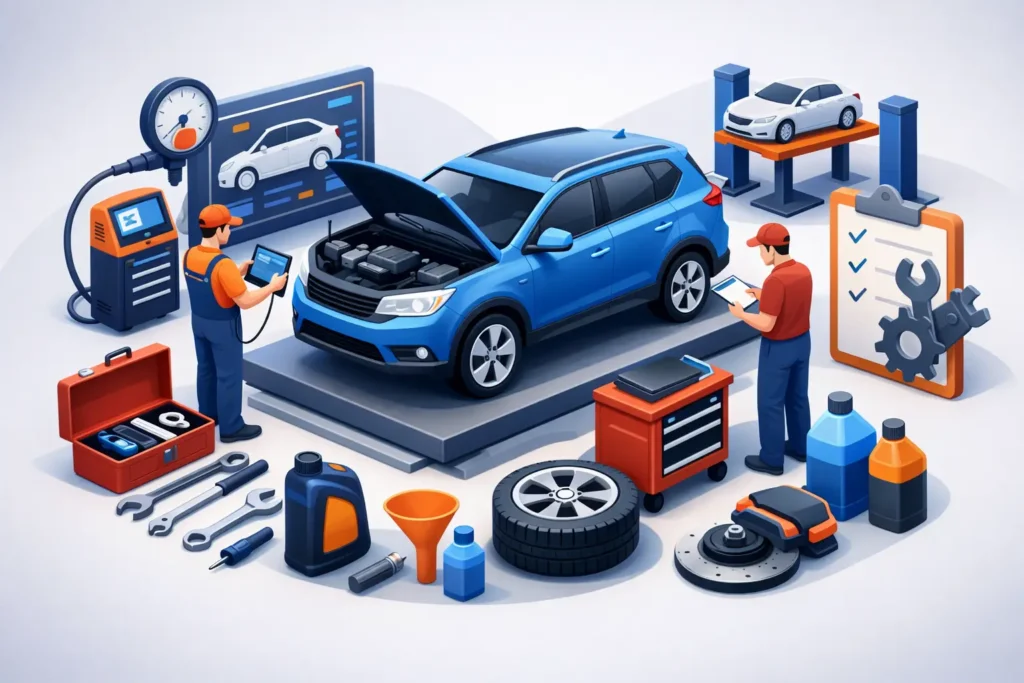
That moment when your car will not start before work, school drop-off, or a weekend trip is usually not bad luck. More often, it is delayed maintenance catching up with you. A solid vehicle preventive maintenance guide helps you stay ahead of small problems before they turn into expensive repairs, missed time, and roadside stress.
Preventive maintenance is not about fixing what is broken. It is about protecting what still works. For most drivers in Spring, Texas, that means paying attention to the parts and fluids that wear down slowly with heat, traffic, stop-and-go driving, and everyday use. If your vehicle is how you get to work, handle errands, and keep family life moving, regular maintenance is one of the smartest ways to protect your time and budget.
A good guide should make ownership simpler, not more confusing. You should be able to look at your car, your mileage, and your driving habits and know what needs attention now, what can wait, and what should never be ignored.
That matters because maintenance is not one-size-fits-all. A commuter driving long highway miles may wear tires and fluids differently than a family vehicle making short trips around town. Texas heat also changes the picture. High temperatures put extra strain on batteries, cooling systems, tires, and air conditioning. So while your owners manual sets the baseline, real-world driving conditions matter too.
Oil changes are still the foundation of preventive maintenance. Engine oil lubricates moving parts, helps control heat, and carries away contaminants. Wait too long, and the oil breaks down. That creates extra wear inside the engine, and over time that can lead to poor performance or major internal damage. The right interval depends on your vehicle, oil type, and driving conditions, but skipping oil service is one of the fastest ways to shorten engine life.
Fluid checks matter just as much. Coolant protects against overheating. Brake fluid supports safe stopping. Transmission fluid helps with smooth shifting and internal protection. Power steering fluid and windshield washer fluid may not seem urgent until you need them. Low or dirty fluid does not always cause immediate failure, which is why drivers often overlook it. That is exactly what makes regular inspections valuable.
Filters are another area where small maintenance pays off. A dirty engine air filter can affect performance and fuel economy. A cabin air filter can reduce airflow inside the vehicle and make the air conditioning work harder. Fuel filters, where applicable, help protect the fuel system from contamination. These are not dramatic repairs, but neglect adds up.
Tires do a lot more than help the car move. They affect braking distance, handling, ride comfort, and fuel efficiency. If tire pressure is off, tread wear becomes uneven and the vehicle can become less stable, especially in wet weather. Underinflation also creates extra heat, which is never a good combination on Texas roads.
Tire rotation helps spread wear more evenly across all four tires. Alignment matters too. If the steering wheel is off-center, the vehicle pulls to one side, or the tread is wearing unevenly, the alignment should be checked. Waiting too long can shorten tire life and make driving less safe.
Brakes are not an area to gamble with. Squeaking, grinding, vibration, or a soft brake pedal all need prompt attention. Sometimes the fix is as simple as replacing worn pads. Sometimes there are rotor, caliper, or hydraulic issues involved. The trade-off is simple: early brake service usually costs less than waiting until more parts are damaged.
Many breakdowns come from parts that wear out gradually and give subtle warnings first. Belts can crack or stretch. Hoses can dry out, swell, or leak. A battery can weaken little by little, especially in high heat, until one morning the engine will not crank.
This is where inspections matter more than guesswork. You may not notice a worn serpentine belt or a hose beginning to deteriorate, but a technician should. Catching those problems during routine service is much easier than dealing with an overheated engine or a no-start situation later.
Battery testing is also worth doing before a failure happens. A battery may still start the car today and still be close to the end of its useful life. That does not mean every older battery needs immediate replacement, but it does mean testing gives you better information than waiting for a surprise.
One reason drivers fall behind on service is that they assume the same schedule works for everyone. It does not. If you take frequent short trips, sit in heavy traffic, tow loads, carry a full family often, or drive in extreme heat, your vehicle may need service sooner than the standard interval.
That is why mileage and time both matter. Even if you do not drive much, fluids age, rubber components deteriorate, and batteries lose strength. A low-mileage vehicle can still have maintenance needs. On the other hand, a high-mileage commuter may need more frequent checks simply because wear happens faster.
The best approach is practical. Follow your manufacturers recommendations, then adjust based on your actual use. If you are unsure where your car stands, a trusted shop can help you build a schedule that fits the vehicle instead of handing you a generic checklist.
Preventive maintenance works best before symptoms appear, but cars often give hints when something is starting to go wrong. Dashboard warning lights, fluid spots under the vehicle, unusual smells, rough idling, slow starting, vibration, or changes in fuel economy all deserve attention.
Not every warning means a major repair is coming. Sometimes the issue is minor. But small issues have a way of affecting other systems if they are ignored. A coolant leak can become an overheating problem. Uneven tire wear can turn into a replacement bill sooner than expected. A weak battery can leave you stranded at the worst time.
There is a balance here. You do not want to panic over every noise, but you also do not want to normalize clear signs that something has changed. If your vehicle feels different, that is reason enough to have it checked.
A lot of drivers bounce between quick services, discount specials, and last-minute repairs. Sometimes that works. Often it creates gaps. One shop changes the oil, another replaces tires, and nobody is tracking the full picture.
Having a dependable local shop handle routine inspections and maintenance brings consistency. It becomes easier to spot patterns, plan for upcoming needs, and avoid duplicate or delayed service. You also get clearer communication. That matters whether you know cars well or just want straightforward answers without the runaround.
For a family-run shop like 360 Auto, that relationship is part of the service. Drivers want expert work, fair pricing, and honest recommendations. They also want to know the people working on their vehicle care about keeping it reliable, not just selling the next repair.
If you want this vehicle preventive maintenance guide to work in real life, keep it simple. Pay attention to oil service, tire care, brakes, fluids, battery condition, belts, hoses, and factory-scheduled inspections. Do not wait for a breakdown to tell you what your car needed six months ago.
It also helps to keep records. When was the last oil change? Have the tires been rotated? How old is the battery? Was the brake fluid ever exchanged? Those answers make decisions easier and help you avoid paying for service too early or too late.
The goal is not to replace parts constantly. It is to service the right things at the right time. Good preventive maintenance saves money over the life of the vehicle, but just as important, it gives you confidence every time you turn the key.
Your car does not need constant attention. It just needs consistent care. Stay ahead of the basics, ask questions when something feels off, and give your vehicle the kind of maintenance that keeps daily life moving without interruption.


