
- April 19, 2026
- By
- In Brakes
- 15
- 0
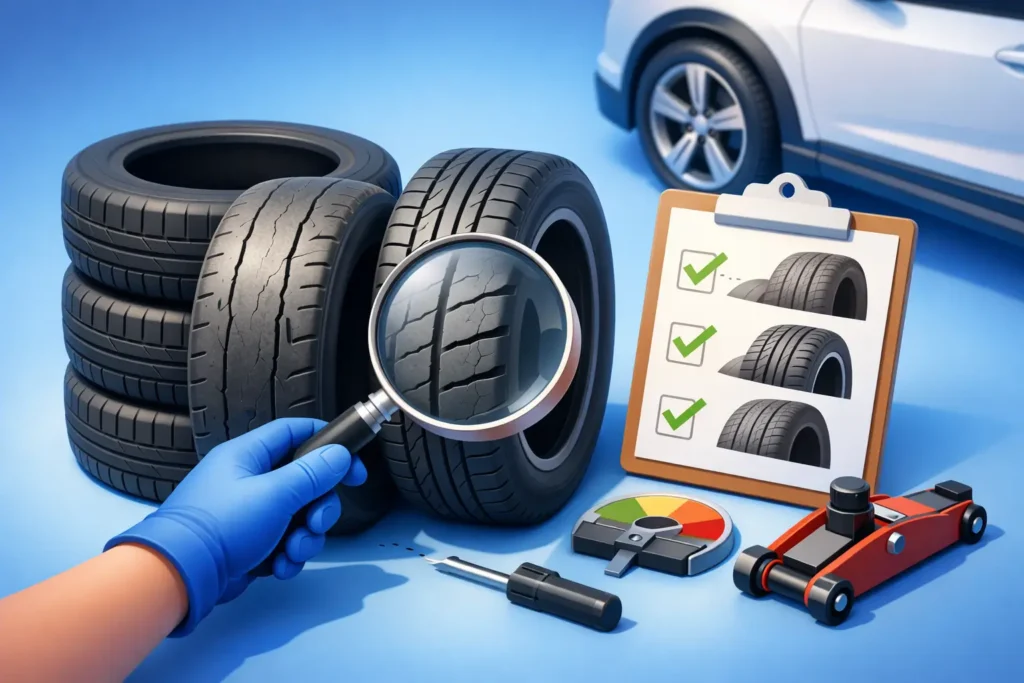
A tire usually does not fail without warning. More often, it starts with small changes – longer stopping distance in the rain, a little vibration on the highway, or tread that looks flatter than it used to. If you have been wondering how to know if tires need replacing, the safest answer is to check for wear before it turns into a roadside problem.
Your tires affect braking, steering, fuel economy, ride comfort, and traction in wet Texas weather. They are also one of the easiest parts of your vehicle to ignore because the decline happens gradually. Knowing what to look for can help you avoid uneven wear, poor handling, and the cost of waiting too long.
There are a few signs that matter most. If tread is worn down, the tire is losing grip. If the sidewall is cracked, bulging, or cut, the tire may no longer be structurally sound. If the vehicle shakes, pulls, or feels less stable than usual, the issue could be tire wear, damage, or balance problems.
Age matters too. Even a tire with decent-looking tread can become less dependable over time. Rubber hardens, internal materials break down, and performance can drop off long before a blowout happens. That is why tire condition should be judged by more than one factor.
Tread depth is one of the clearest indicators that a tire is nearing the end of its service life. The grooves in the tread channel water away from the contact patch so your vehicle can maintain traction. As those grooves wear down, hydroplaning becomes more likely and stopping distances increase.
A quick way to check is with a tread gauge, but many drivers use a coin test for a simple at-home look. If the tread is shallow enough that it no longer provides reliable grip, replacement is the right move. You should also look at the wear bars built into the tire. These small raised sections become level with the tread when the tire is worn out.
What matters here is not just whether the tire passes a quick test, but how close it is to the limit. If you are heading into heavy rain season, driving long commutes, or carrying family in the vehicle every day, waiting until the tread is completely gone is not a smart plan.
Sometimes the tread is not worn evenly across the tire. You may see more wear on the inside edge, the outside edge, or right down the center. That pattern usually points to another issue such as improper inflation, alignment problems, worn suspension parts, or missed tire rotations.
In those cases, replacing the tire may be necessary, but it is only part of the fix. If the root cause is not corrected, the new tires can wear out early too. This is where a professional inspection helps, because the tire condition often gives clues about what the vehicle needs next.
Tread depth is only one piece of the picture. A tire can still have usable tread and still be unsafe because of damage. Sidewall cracks, dry rot, punctures in the wrong area, exposed cords, bubbles, and bulges all deserve attention.
A bulge in the sidewall is especially serious because it can mean the internal structure has been compromised. That tire should be replaced as soon as possible. Cracks may start small, but they often signal that the rubber is aging and losing flexibility. In a hot climate, this can happen faster than many drivers expect.
Cuts and punctures depend on location and severity. A nail in the tread area may be repairable in some cases. Damage near the shoulder or sidewall usually is not. If you are unsure, it is better to have it inspected than keep driving and hope for the best.
Your car often tells you there is a tire problem before you see it parked in the driveway. A steering wheel vibration at certain speeds, thumping sounds, pulling to one side, or a rougher ride than usual can all point to tire trouble.
That does not always mean the tires are worn out. It could be a balance issue, alignment problem, suspension wear, or uneven inflation. But from a safety standpoint, the distinction matters less than the need to get it checked. Poor ride quality and unstable handling are signs your tires are not working the way they should.
Underinflated tires wear faster on the edges and create more heat as you drive. Overinflated tires can wear more in the center and reduce the size of the contact patch. Either way, the tire loses efficiency and wears unevenly.
Checking tire pressure regularly is one of the simplest ways to extend tire life. It also helps you judge whether the problem is wear or just maintenance. If a tire keeps losing pressure, there may be a puncture, wheel issue, or valve stem problem that needs service.
One reason drivers miss replacement timing is that they focus only on tread. Age is just as important. Even if a car is not driven much, tires still age from exposure to heat, sunlight, moisture, and time.
The manufacturing date is stamped on the sidewall in the DOT code. Many drivers have never looked for it, but it is worth checking, especially on vehicles that sit often, trailers, spare tires, or cars with low annual mileage. An older tire may look acceptable at first glance and still have reduced performance and reliability.
There is no one-size-fits-all answer for every vehicle and driving pattern. A commuter driving daily on hot pavement may wear through tread sooner. A lightly used car may age out before the tread is gone. That is why replacement decisions should account for both mileage and calendar age.
This is where things can depend on your vehicle. If one tire is damaged but the others are still relatively new and evenly worn, replacing one may be possible. If the remaining tires are significantly worn, replacing a pair or a full set is often the better choice for safety, handling, and long-term value.
Vehicles with all-wheel drive can be especially sensitive to tire size differences caused by uneven wear. In those cases, replacing just one tire can create driveline issues. Matching tread depth and tire type matters more than many people realize.
A trusted shop can measure the current tires, check the vehicle requirements, and explain the most practical option without overselling you. That kind of guidance matters because the cheapest immediate fix is not always the best value over time.
If you are getting ready for a road trip, a weekend out of town, or even a stretch of daily highway commuting, tire condition deserves a quick check. Look at tread depth, sidewall condition, inflation, and any unusual wear patterns. If the vehicle has recently started vibrating or pulling, do not put off inspection until after the trip.
Highway speed, summer heat, and heavy loads put extra stress on tires. A tire that feels “good enough” around town may not be a tire you want to trust for several hours on the road. Replacing tires early can feel inconvenient, but dealing with a blowout on a busy road is far worse.
Some tire issues are easy to spot. Others are not. A technician can measure tread accurately, inspect for damage, check pressure, evaluate wear patterns, and see whether alignment or suspension issues are contributing to the problem.
For local drivers who want a clear answer without guesswork, a tire inspection can save time and prevent unnecessary risk. At 360 Auto, that means straightforward guidance, quality workmanship, and help choosing the right next step for your vehicle and budget.
If your tires look worn, feel different on the road, or have simply been on the vehicle longer than you can remember, trust that instinct and get them checked. A little attention now can make every drive feel safer and more confident.


