
- June 13, 2026
- By
- In Brakes
- 6
- 0
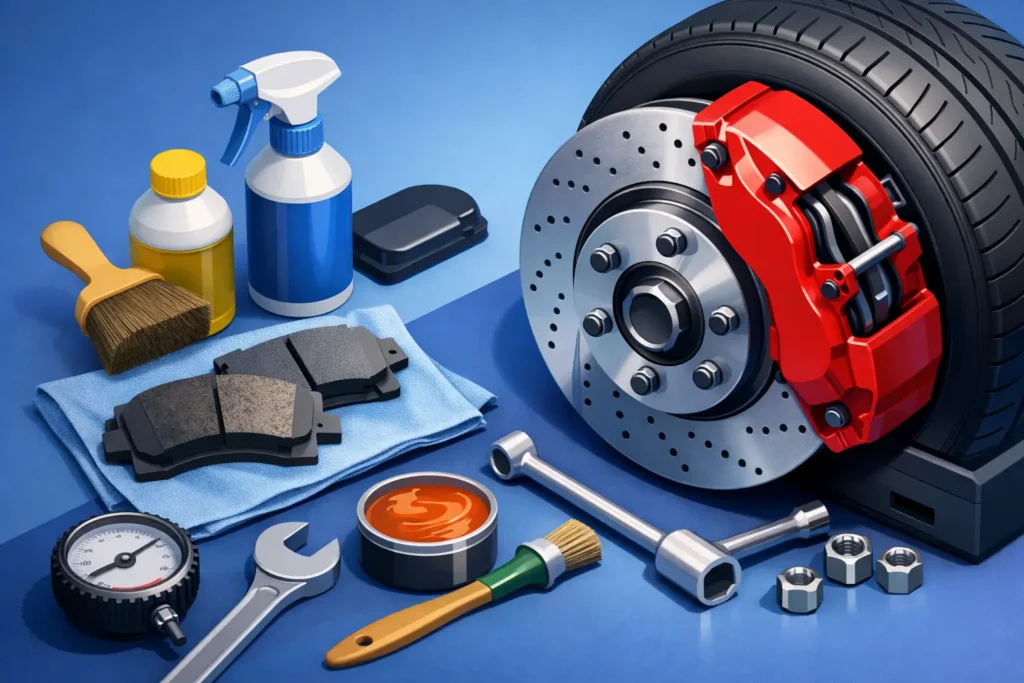
That slight squeal when you back out of the driveway or the extra pressure it takes to stop in traffic usually starts small. If you are wondering how to maintain brakes between services, the good news is that a few simple habits can help you reduce wear, spot problems early, and keep your vehicle safer on the road.
Brake systems do a hard job every day. In Spring traffic, school pickup lines, stop-and-go commutes, and sudden slowdowns all add stress to pads, rotors, calipers, and brake fluid. You cannot replace professional inspections, but you can do a lot between service visits to help your brakes last longer and perform the way they should.
Good brake care starts with paying attention to how your vehicle feels. Most brake problems do not appear out of nowhere. They build gradually through noise, vibration, softer pedal feel, longer stopping distances, or a vehicle that pulls slightly when braking.
The first step is to stop treating those changes as minor annoyances. A squeak may be normal in some conditions, especially after rain or overnight moisture, but repeated noise is worth noticing. Grinding, scraping, or a steering wheel shake during braking should never be ignored. Those symptoms can mean worn pads, damaged rotors, or uneven braking force.
It also helps to know what normal feels like for your own vehicle. If the pedal is usually firm and suddenly feels spongy, something has changed. If your car usually stops smoothly and now seems to hesitate or lurch, that matters. Brake maintenance between services is often less about doing complicated work and more about catching small changes before they turn into expensive repairs.
The fastest way to wear out brakes is to use them aggressively. Hard stops, late braking, and riding the brake pedal all create extra heat. Heat is one of the biggest reasons pads and rotors wear down faster.
A smoother driving style makes a real difference. Leave more following distance so you can brake gradually instead of slamming the pedal. Coast earlier when approaching red lights or heavy traffic. If you drive downhill, use lower gears when appropriate rather than relying entirely on the brakes to control speed.
This does not mean driving unusually slow or making traffic harder for everyone else. It means being more deliberate. Controlled braking reduces stress on the system and often improves fuel economy at the same time.
If your household shares a vehicle, this is one of the biggest variables. One careful driver can get much more life out of a brake system than someone who brakes hard at every light. If your brakes seem to wear out quickly, driving habits are worth looking at before assuming the parts are the problem.
Brake fluid does not get much attention from drivers, but it plays a major role in braking performance. Over time, brake fluid can absorb moisture, and that lowers its effectiveness. In hot conditions, contaminated fluid can contribute to a soft pedal feel and reduced braking confidence.
Between services, check your owner’s manual for the recommended brake fluid service interval and pay attention to the fluid reservoir if it is visible and safely accessible under the hood. The fluid level should stay within the marked range. If it drops noticeably, that can point to worn brake pads or a possible leak.
Color can also tell you something. Fresh brake fluid is usually clear to light amber. Dark, dirty-looking fluid does not automatically mean an emergency, but it is a sign that inspection is a good idea. What you do not want to do is top off or replace fluid casually without knowing the correct type or whether there is an underlying issue. Brake fluid service needs to be handled correctly because the wrong fluid or contamination can damage the system.
Brakes and tires work together more than many drivers realize. Even if your brake parts are in decent shape, worn or underinflated tires can make stopping feel less controlled. They can also make it harder to tell whether the problem is really with the brakes, the alignment, or the tire condition.
Check tire pressure regularly and keep it at the manufacturer’s recommended level. Uneven tire wear can also affect how the vehicle responds under braking. If the car pulls to one side when you stop, the cause may be brake-related, but tire issues can create similar symptoms.
This is one of those areas where it depends on the full picture. A pulling sensation might be a sticking caliper, uneven pad wear, a tire problem, or suspension wear. That is why paying attention early matters. The sooner you notice the change, the easier it is for a technician to pinpoint the cause.
If you want to know how to maintain brakes between services, listening is part of the job. Brake systems often give clear warnings before they fail.
Squealing can point to pad wear indicators or glazed pads. Grinding may mean the pads are worn down far enough that metal is contacting metal. Clicking or clunking sounds can suggest loose hardware or worn components. A hiss from the pedal area may relate to the brake booster.
Not every sound means immediate danger, but repeated brake noise deserves attention. The same goes for smells. A sharp burning odor after heavy braking can mean overheated brakes. If that happens once after an unusual driving situation, it may not be serious. If it happens during normal driving, your vehicle should be checked soon.
Vibration is another common warning. If the pedal pulses or the steering wheel shakes when braking, you may have rotor issues, uneven wear, or another problem affecting smooth contact. Some drivers wait because the car still stops. That delay often turns a simpler repair into a larger one.
You do not need to take your wheels off in the driveway to stay aware of brake condition. In many vehicles, you can look through the wheel openings and get a rough sense of brake pad thickness. If the pad material looks extremely thin, it is time for service.
You can also watch for obvious warning signs around the wheels. Excessive brake dust on one wheel compared with the others, fluid near the tire or inside the wheel area, or visible scoring on the rotor surface can all signal a problem. Rust on rotors after rain is often normal and usually clears with driving, but deep grooves or heavy surface damage are not.
These checks are not a substitute for a shop inspection. They are simply a way to stay ahead of issues. If you are unsure what you are looking at, that is completely normal. Taking a quick photo and asking a trusted technician is better than guessing.
There is a line between maintenance and repair, and brake systems reach it quickly. If your brake warning light comes on, the pedal sinks, the vehicle takes longer to stop, or you hear grinding, do not wait for your next routine visit. Those are service-now symptoms.
The same applies after certain events. If you hit a curb hard, drive through deep water, tow heavier loads than usual, or notice changes after tire or suspension work, it is smart to have the brakes checked. Outside conditions and related repairs can affect braking performance more than drivers expect.
For many drivers, the challenge is deciding whether a symptom is urgent or just something to mention later. A good rule is simple. If the issue affects stopping power, pedal feel, control, or consistency, move it up the list. Brake problems rarely fix themselves.
There are a few practical routines that support brake life without adding much effort to your week. Keep up with tire rotations and alignments so the vehicle stays balanced under braking. Avoid overloading your car when possible, since extra weight increases stopping demands. After driving through heavy rain or a car wash, use gentle braking at low speed to help dry the rotors.
It also helps to stay on schedule with routine maintenance. During regular service visits, brake inspections can catch uneven pad wear, fluid issues, and hardware problems before they become more serious. That is especially valuable for commuters, families with multiple drivers, and anyone who depends on their vehicle every day.
At 360 Auto, we see plenty of brake repairs that started as a small sound or a slight change in feel. The drivers who save the most money over time are usually the ones who pay attention early and bring concerns in before damage spreads.
Your brakes do not need constant attention, but they do need respect. The safer and more consistent your vehicle feels when stopping, the easier every drive becomes – from the morning commute to the grocery run to getting the kids where they need to go. If something feels off, trust that instinct and get it checked before a small brake issue becomes a bigger one.


