
- April 22, 2026
- By
- In Brakes
- 10
- 0
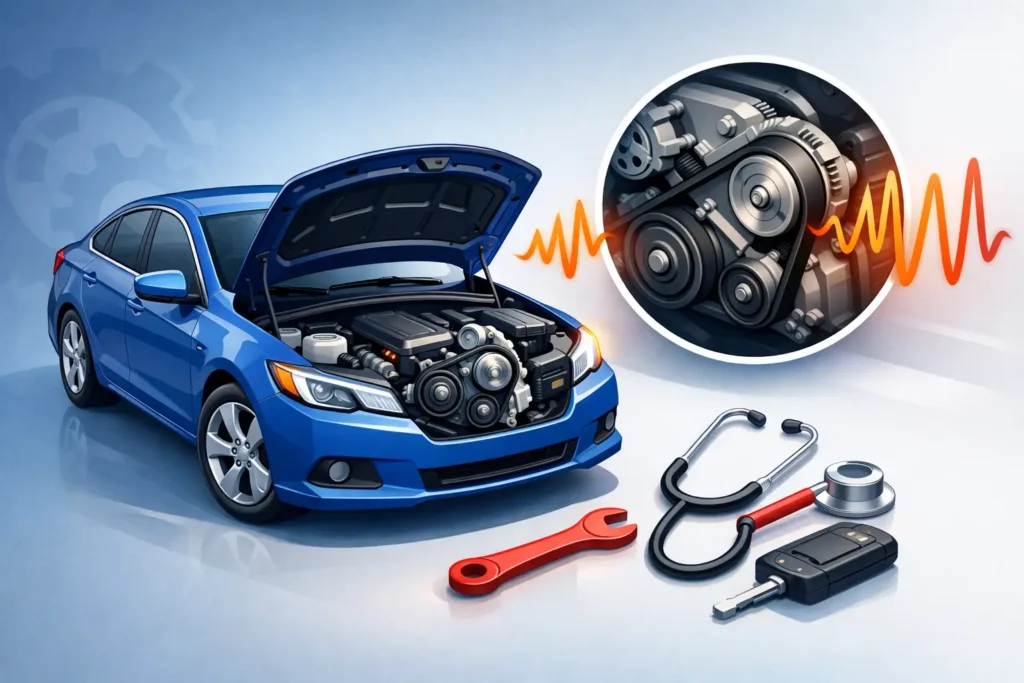
That sharp squeal when you start the engine, hit the brakes, or turn the wheel can ruin a normal drive fast. If your car making squealing noise has you wondering whether it is safe to keep driving, the answer depends on when the sound happens and how long it lasts. Some causes are minor. Others are early warnings that can lead to bigger repair bills if they are ignored.
The good news is that squealing sounds usually point to a handful of common issues. The key is paying attention to the timing. A squeal during braking tells a different story than a squeal at startup or while accelerating. Once you know where the sound is coming from, it gets much easier to decide whether you need routine service or immediate repair.
Cars are built to give you warning signs before a component fails completely. Squealing is often one of those warning signs. Friction materials wear down. Belts lose tension. Pulleys and bearings begin to struggle. Moisture can also create temporary noise, especially in the morning, but even then, repeated squealing should not be brushed off.
What makes this tricky is that two very different problems can sound similar from the driver seat. A worn brake pad and a slipping serpentine belt may both produce a high-pitched squeal, but the risk level and repair approach are not the same. That is why a proper inspection matters. Guessing can waste time and money.
This is one of the most common causes. Many brake pads are designed with a small metal wear indicator that starts making noise when the pad material gets too thin. That squeal is your reminder that brake service is due.
If the noise only happens when you press the brake pedal, worn pads are a strong possibility. If you keep driving too long, the pads can wear down far enough to damage the rotors. At that point, a straightforward brake job can turn into a more expensive repair.
A brief squeal first thing in the morning is not always a major problem. Overnight humidity, rain, or car wash moisture can leave a light film of rust on the rotors. That usually clears after a few stops.
The difference is consistency. If the squeal goes away quickly and does not return during the drive, moisture may be the cause. If it keeps happening or gets louder, it is time to have the brake system checked.
A squeal from under the hood, especially right after startup or during acceleration, often points to the serpentine belt. This belt powers several major systems in your vehicle, including the alternator, power steering pump, and air conditioning compressor on many models.
Belts wear with age. They can crack, glaze, stretch, or lose proper tension. When that happens, they slip across the pulleys and create a sharp squealing sound. In some cases, the belt itself is the issue. In others, a tensioner or pulley is failing and making the belt work harder than it should.
Sometimes the belt is not the real problem. A weak tensioner, worn pulley, or failing bearing can create the same noise. This is one of those situations where replacing the belt alone may not solve it.
If the squeal changes with engine speed or comes and goes as accessories cycle on and off, the full belt drive system should be inspected. Catching a bad pulley early can help prevent a breakdown later.
If the squeal happens mostly when you turn the steering wheel, especially at low speeds or while parking, the steering system could be involved. Older hydraulic power steering systems can squeal when fluid is low or when the pump is beginning to fail.
This is not something to ignore. Low fluid may point to a leak, and a struggling power steering pump can eventually affect steering performance. If the wheel feels stiff along with the noise, the problem deserves quick attention.
Not every squeal is coming from the engine or brakes. In some cases, tire wear, a failing wheel bearing, or contact between a worn component and the wheel can create a high-pitched sound. These cases are less common, but they do happen.
The challenge is that wheel-related sounds can change depending on speed, turning, and road conditions. If the squeal seems tied to movement rather than braking or engine startup, suspension or wheel components may need inspection.
Some squeals are more urgent than others. If the noise is loud, constant, and paired with another symptom, it is best not to wait.
Brake squealing becomes more serious when you also notice grinding, vibration, longer stopping distances, or a brake warning light. A belt-related squeal becomes more serious when you see battery lights, overheating, hard steering, or loss of air conditioning. In those cases, the squeal is no longer just a warning. It may mean the system is close to failure.
A short squeal on a damp morning might not be an emergency. A repeated squeal every time you drive is different. Patterns matter.
You do not need to diagnose the vehicle yourself, but a few simple observations can help your technician find the problem faster.
Notice when the sound happens. Is it only at startup, only while braking, only during turns, or mostly during acceleration? Think about whether the weather affects it, how long it lasts, and whether it is getting worse. Also pay attention to any warning lights or changes in how the car feels.
That information can save time during diagnostics. It also helps separate a temporary noise from a developing repair issue.
It is tempting to wait until the next oil change and mention it then, especially if the car still seems to drive normally. That approach can work against you. A small brake or belt problem usually costs less to handle early than after related parts are damaged.
It is also not a good idea to rely on guesswork or quick fixes. Belt dressing, for example, may quiet a noise temporarily without addressing the real cause. The same goes for assuming every brake squeal means pads alone. Proper inspection is what prevents repeat visits and unnecessary parts replacement.
A technician will usually start by identifying where the sound is coming from and trying to duplicate it. For brake-related squeals, that means checking pad thickness, rotor condition, hardware, and caliper operation. For engine-bay squeals, the inspection may include the serpentine belt, pulleys, tensioner, and accessory components.
If steering is involved, fluid level, leaks, pump operation, and steering response may also be checked. The goal is not just to stop the noise. It is to fix the reason behind it and prevent a larger failure.
That matters because squealing sounds can overlap. One customer may come in convinced the brakes are bad when the belt is actually slipping. Another may assume the belt is the issue when brake wear indicators are doing exactly what they were designed to do.
If the squeal happens more than once, gets louder, or comes with any change in performance, schedule service sooner rather than later. Waiting rarely makes the repair simpler. In many cases, it only gives the worn part more time to affect nearby components.
For local drivers in Spring, Texas, this is especially true when daily commuting, school pickups, and stop-and-go traffic put extra demand on brakes and belts. Reliable transportation is not optional for most families and working adults. A warning sound today can become a roadside problem at the wrong time tomorrow.
At 360 Auto, we believe car care should be straightforward. If your vehicle starts squealing, you should get a clear answer, an honest inspection, and repair recommendations that make sense for your budget and safety.
The best next step is simple: pay attention to when the sound happens, do not ignore it, and let a trusted technician take a closer look before that squeal becomes something more expensive.


