
- June 15, 2026
- By
- In Brakes
- 6
- 0
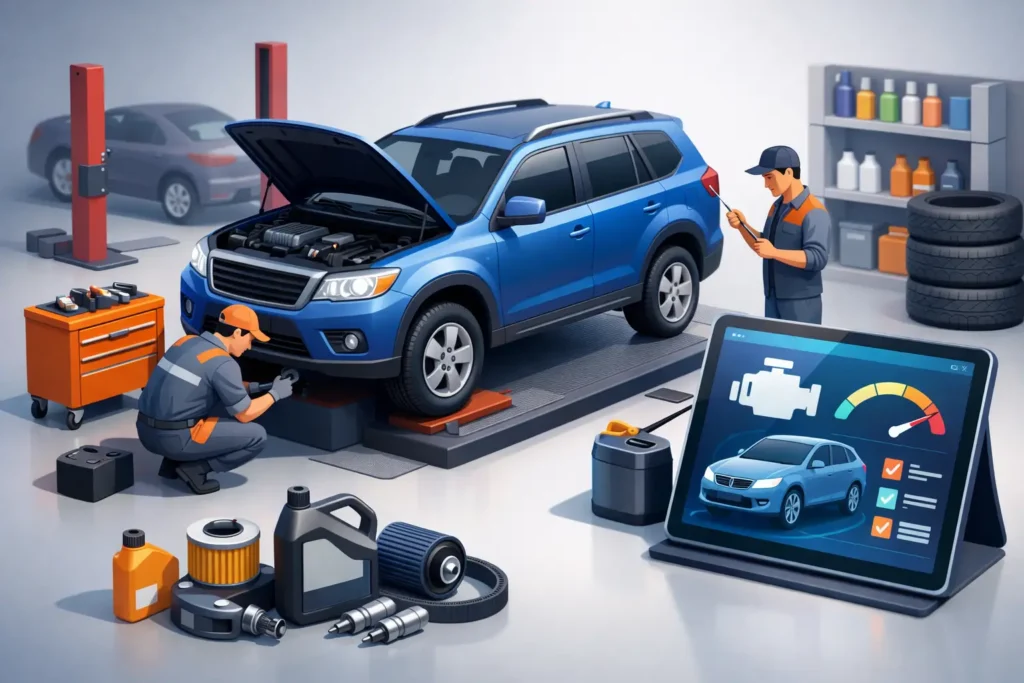
That 100,000-mile mark changes how you should think about maintenance. A high mileage vehicle service guide is not about assuming your car is worn out. It is about shifting from basic upkeep to smarter, more watchful care that keeps a dependable vehicle on the road longer.
For many drivers in Spring, Texas, a higher-mileage car is still the family commuter, the work vehicle, or the car that handles school drop-offs and weekend errands. If it starts every morning, drives safely, and has been maintained properly, there is often plenty of life left in it. The key is knowing what to watch, what to service on time, and when small issues can turn into expensive repairs.
Mileage by itself does not tell the whole story. A well-maintained car with 140,000 miles can be in better shape than a neglected one with 75,000. Still, once a vehicle reaches higher mileage, more parts begin to show age from heat, pressure, vibration, and everyday use.
Rubber components can dry out. Fluids can break down faster under strain. Suspension parts may loosen gradually, making the ride feel rougher or less stable. Belts, hoses, seals, and gaskets may still look acceptable at a glance but be closer to failure than many drivers realize.
That is why high-mileage service is less about one big repair and more about steady, preventive attention. You are managing wear before it leaves you stuck on the side of the road or dealing with a repair bill that could have been avoided.
If there is one place to stay disciplined, it is fluid service. Clean fluids protect the systems that cost the most to repair.
Engine oil remains the first priority. Older engines can consume oil more quickly or develop minor leaks over time, so regular oil changes matter even more as miles add up. The right oil type also matters. Some vehicles benefit from high-mileage motor oil, which is designed to help protect aging seals and reduce wear. That does not mean every older vehicle automatically needs it, but it is worth asking your technician what fits your engine condition and manufacturer recommendations.
Transmission fluid is another big one. Many transmission problems start quietly, with delayed shifting, slipping, or harsh engagement. In some cases, fresh fluid and proper service can help extend transmission life. In others, especially if service has been neglected for a long time, the right approach depends on the vehicle’s condition. This is one of those areas where a blanket rule does not work.
Brake fluid, coolant, and power steering fluid also deserve attention. Coolant helps control engine temperature and protects against corrosion inside the cooling system. Brake fluid absorbs moisture over time, which can affect braking performance. Power steering fluid, where applicable, supports smoother steering and helps reduce wear in the system.
High-mileage vehicles often develop problems in the parts drivers rarely think about. Belts and hoses are a perfect example. They do not always fail with much warning, and when they do, the results can range from inconvenient to severe.
A worn serpentine belt may squeal, crack, or slip. A weak radiator hose can swell, soften, or leak. Vacuum lines and smaller rubber components can become brittle and create drivability problems that seem unrelated at first. These are not glamorous repairs, but they are some of the most practical ones you can make on an older vehicle.
Seals and gaskets can also begin to sweat or leak with age. Not every minor seep calls for immediate major work, but it should be monitored. A small oil leak today may only be a maintenance note. Left alone long enough, it can turn into low oil levels, damaged components, or a much larger repair.
As mileage rises, safety-related systems deserve closer inspection. Brake pads and rotors are obvious wear items, but brake performance can also be affected by calipers, hoses, fluid condition, and the master cylinder.
Suspension wear tends to happen gradually, which makes it easy to miss. If your ride feels harsher than it used to, the vehicle dips when braking, or you notice uneven tire wear, worn shocks, struts, or alignment issues may be part of the problem. Steering components such as tie rods and ball joints can also loosen over time.
These issues do not just affect comfort. They affect control, tire life, and stopping confidence. On a high-mileage vehicle, replacing worn suspension or steering parts can make the car feel more solid and predictable again.
Tires often reveal problems before the rest of the car does. Uneven wear can point to poor alignment, worn suspension parts, or incorrect tire pressure. Vibration at highway speeds may mean balancing issues, tire damage, or a deeper steering or suspension concern.
For higher-mileage vehicles, regular tire rotation and alignment checks can help stretch tire life and improve handling. Good tires also reduce strain on other parts of the vehicle. If you are trying to keep an older car reliable, tire care is not a side issue. It is part of the bigger picture.
Overheating is one of the fastest ways to turn an aging vehicle into a major repair. Radiators, water pumps, thermostats, hoses, fans, and coolant all work together. When one weak link fails, the engine can overheat quickly.
If your temperature gauge runs higher than normal, if you smell coolant, or if you notice puddles under the car, do not wait. Even a slow cooling system problem can become serious in Texas heat. A pressure test or cooling system inspection can often catch trouble early.
On a newer vehicle, a rough idle or check engine light may feel like something you can get around to later. On a high-mileage vehicle, that delay gets riskier.
Misfires, sensor issues, vacuum leaks, and fuel system problems can hurt performance and fuel economy while putting extra stress on the engine. Sometimes the repair is straightforward if caught early. Wait too long, and one problem can trigger several more.
The same goes for unusual sounds, new vibrations, slow starting, or a drop in gas mileage. High-mileage cars often give warnings in small ways before they give major ones.
The best high mileage vehicle service guide is not a generic checklist pulled from the internet. It should reflect your make and model, how you drive, and the condition of the vehicle today.
A daily commuter that sits in heavy traffic has different needs than a lightly driven second car. A truck used for hauling or towing will wear differently than a sedan used mainly for short trips. Service history matters too. If your car has had consistent maintenance, you may be focused on preserving what is working well. If maintenance has been uneven, your first goal may be catching up on overdue items and prioritizing what matters most.
That is where a trusted local shop makes a real difference. A good technician does not just look at mileage. They look at patterns, inspect wear, explain what needs attention now, and tell you what can reasonably wait.
Not every high-mileage repair is automatically worth doing, and honest advice matters here. If the engine and transmission are strong, the car is safe, and the repair cost is manageable, investing in maintenance often makes good financial sense. Replacing brakes, tires, belts, or suspension parts is usually far less expensive than taking on a car payment.
But if a vehicle has multiple major failures at once, severe rust, chronic overheating, or a transmission that is already slipping badly, the decision becomes more complicated. It depends on the repair estimate, the overall condition, and how long you realistically need the vehicle to last.
A trustworthy shop will help you sort through that without pressure. Sometimes the right answer is repair. Sometimes it is repair only the essentials. Sometimes it is time to move on. Clear guidance saves money and frustration.
Older vehicles reward owners who stay ahead of problems. Regular inspections, fluid service, brake checks, tire care, and early diagnostics can keep a high-mileage car reliable far longer than many people expect.
At 360 Auto, we see plenty of vehicles with six-digit mileage that still serve their owners well because someone took care of the basics and paid attention when the car started asking for help. If your vehicle has been good to you, steady service is how you return the favor and keep driving with confidence.


