
- April 20, 2026
- By
- In Brakes
- 12
- 0
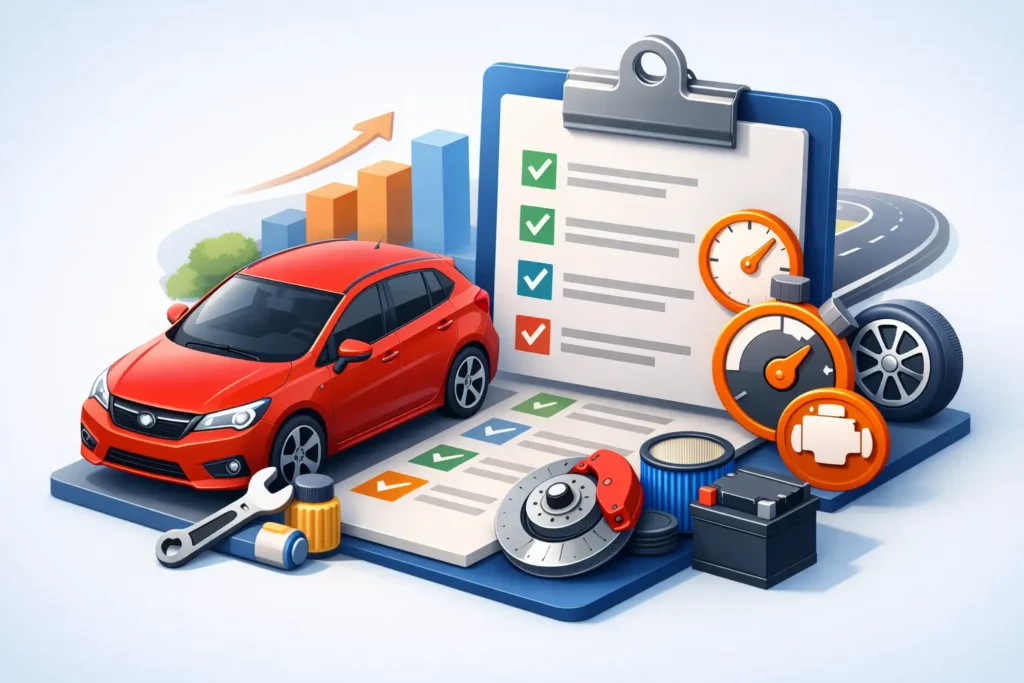
That small mileage number on your dashboard tells a bigger story than most drivers realize. A smart car maintenance checklist mileage plan helps you catch wear before it turns into a breakdown, and that matters when your vehicle is responsible for getting you to work, school, practice, and everything else on the calendar.
For most drivers, maintenance feels easy to postpone because the car still starts, still moves, and still seems fine. The problem is that many parts wear out gradually. By the time you hear a noise, smell something unusual, or notice a warning light, the fix may already be more expensive than it needed to be. Following service by mileage gives you a practical way to stay ahead.
Mileage-based maintenance is useful because it lines up with how vehicle parts actually wear. Oil breaks down with use. Brakes wear with stop-and-go driving. Tires lose tread and fall out of alignment over time. Belts, hoses, filters, and fluids all have service windows that are easier to manage when you watch mileage instead of waiting for a problem.
That said, mileage is not the only factor. Age, weather, traffic, towing, and driving habits all matter. A vehicle that sits for long periods can still need fluid changes and battery service. A daily commuter in Texas heat may need attention sooner than a lightly driven weekend vehicle. Your owner’s manual always matters, but a mileage checklist gives you a reliable baseline.
This is the interval many drivers know best because it often lines up with oil change service. At this stage, engine oil and the oil filter should be checked or replaced based on your vehicle’s requirements and the type of oil it uses. Tire rotation also belongs here for most vehicles. Rotating tires helps them wear more evenly, which protects handling and extends tire life.
This is also a good time for a quick inspection of brakes, fluid levels, battery condition, lights, and windshield wipers. These are not always full replacement items at this mileage, but they are worth checking regularly. Small issues are much easier to handle when they are found early.
By this point, your vehicle may be ready for a closer look at the engine air filter and cabin air filter. If you drive on dusty roads, in heavy traffic, or through construction areas often, those filters can clog sooner. A dirty engine air filter can affect performance, while a worn cabin filter can reduce air flow inside the vehicle and make the A/C work harder.
Suspension components and steering parts also deserve attention. You may not need repairs, but this is often when early wear starts becoming visible during an inspection.
Thirty thousand miles is a major checkpoint on many service schedules. Depending on the vehicle, this is often when transmission fluid, brake fluid, or coolant may need inspection or replacement. Some models may also call for spark plug service later, while others start earlier. The exact interval depends on your make and model, which is why a professional inspection matters.
This is also a smart time to inspect belts and hoses more closely. Rubber parts age with heat and use. In a warm climate, cracking and soft spots can show up faster than many drivers expect.
At 60,000 miles, your checklist usually becomes more important, not less. This is often when vehicles begin needing more than routine oil and tire service. Brake components may be nearing replacement if they have not already been serviced. Tires may be wearing out depending on the brand, alignment history, and driving conditions.
Fluid services become especially important at this stage. Transmission service, coolant service, and differential or transfer case fluid checks may all come into play depending on the vehicle. Ignoring fluids at this mileage can shorten the life of expensive components.
This range is a turning point for long-term ownership. If your goal is to make your car last, preventive maintenance here matters a lot. Spark plugs are commonly replaced somewhere in this range on many vehicles. Hoses, belts, battery performance, and the cooling system all deserve close attention.
If your car has had only basic service up to this point, this is when neglected items can start stacking up. That does not mean every 100,000-mile vehicle is headed for trouble. It means this is the mileage where a clear service plan makes the difference between dependable transportation and repeated repair visits.
A checklist should not stop at major intervals. Some of the most common repair issues start with symptoms that show up between scheduled services. Uneven tire wear, soft brake feel, vibration at highway speeds, slower engine starts, weak A/C performance, and fluid spots under the car all deserve attention right away.
Waiting for the next oil change to mention a concern can cost more than expected. A minor alignment issue can shorten tire life. A small coolant leak can lead to overheating. Brake pad wear can turn into rotor damage if left too long. The earlier these things are addressed, the easier the repair usually is.
Not every car follows the same timeline exactly. A mileage guide is helpful, but your driving conditions can shift the schedule. Short trips are harder on oil and batteries because the engine may not fully warm up. Heavy traffic means more brake wear. High summer temperatures put extra stress on cooling systems, batteries, belts, and A/C components.
If you use your vehicle for commuting, school pickup, errands, and weekend travel around Spring and nearby areas, your car works harder than the mileage alone may suggest. Drivers who tow, carry heavy loads, or spend a lot of time idling should be even more proactive.
A lot of maintenance gets ignored because it feels complicated. It does not need to be. Start by tracking your current mileage, your last oil change, your last tire rotation, and any recent fluid or brake work. If you are not sure what has been done, ask for a full inspection and build your plan from there.
It also helps to group services when possible. For example, an oil change visit is a natural time to inspect brakes, tires, filters, and fluids. That saves time and gives you a clearer picture of what is urgent, what can wait, and what should be budgeted for next.
Good shops also explain recommendations in plain language. You should know what service is due now, what signs of wear are present, and what items are simply being monitored. Clear communication builds trust and helps you make informed decisions instead of feeling pressured.
Oil reminder stickers and dash reminders are helpful, but they are not the whole story. They usually track only certain services, not the full health of the vehicle. You may be current on oil changes and still be overdue for brake fluid, coolant service, tire replacement, or belt inspection.
That is why a real car maintenance checklist mileage plan works better than relying on one reminder. It gives you a broader view of the vehicle. More important, it helps prevent the kind of surprise repair that disrupts your week and your budget.
A well-maintained vehicle is usually cheaper to own than a neglected one. It runs better, lasts longer, and gives you more confidence every time you turn the key. For drivers who want reliable transportation without the stress of sudden problems, consistent service is the best investment you can make.
If you are not sure where your vehicle stands, start with the mileage and work from there. A trusted local shop like 360 Auto can inspect what matters, explain what your car actually needs, and help you stay ahead of repairs with a maintenance plan that fits the way you drive. A little attention at the right mileage can save a lot of inconvenience later.


